Comprehensive Eye Exam
Overview
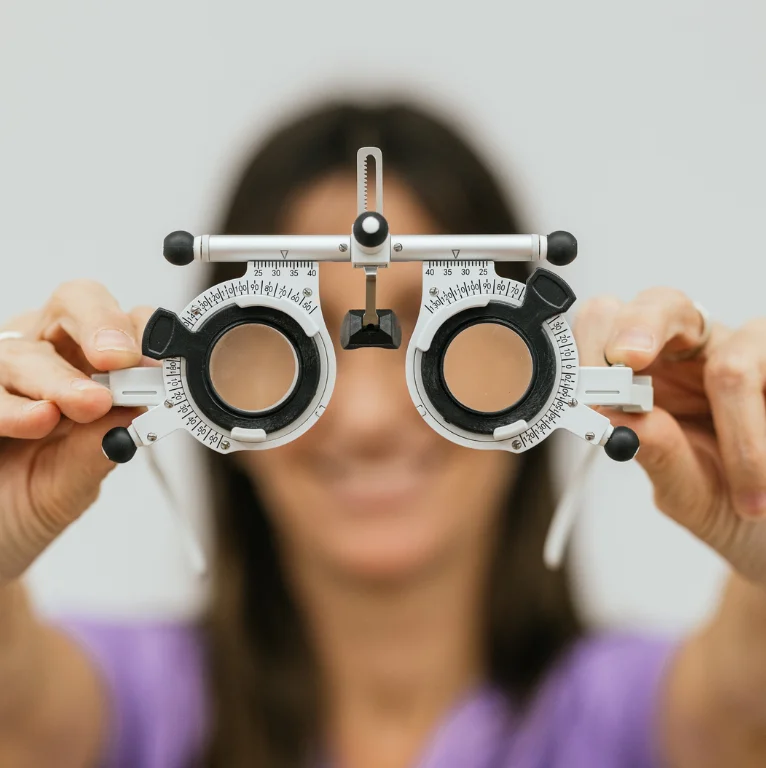
A comprehensive eye exam evaluates both how well you see and how healthy your eyes are. We test for refractive errors like nearsightedness and astigmatism while also screening for glaucoma, macular degeneration, cataracts, and retinal disease. Many systemic conditions such as diabetes and high blood pressure can show early signs in the eyes. Even if your vision feels normal, routine exams help detect problems before symptoms appear.
Frequently Asked Questions:
It includes vision testing, refraction, eye pressure measurement, retinal evaluation, and a full ocular health assessment. Additional imaging may be performed if needed to evaluate deeper eye structures.
Most adults should have an exam every year. Patients with medical conditions or existing eye disease may require more frequent visits.
Yes. Many serious eye conditions develop without noticeable symptoms in early stages.
Dilation is often recommended to allow a detailed view of the retina and optic nerve. It helps detect problems that cannot be seen otherwise.
Most exams take 45-60 minutes. Additional testing may extend the visit slightly.